Frisco Automotive & Transmission in Frisco, TX, compares used and rebuilt transmissions as replacement options.
A Vital Component in Your Vehicle If you’ve owned a car for a while, chances are you’ve heard the term “timing belt” tossed around—maybe at the repair shop or buried in your owner’s manual. But what exactly is it? Simply put, the timing belt is a crucial part of your engine that keeps everything in sync. It controls the timing of the engine’s valves, making sure they open and close at the right moment. If that sounds important, it is. If the timing belt is off, your engine won’t run right or might not run at all. Here at Frisco Automotive & Transmission in Frisco, TX, we’ve seen firsthand what happens when timing belts are ignored—and trust us, it’s not pretty. When a timing belt breaks, it can cause serious engine damage, especially in “interference” engines where the valves and pistons occupy the same space at different times. That’s why replacing it on schedule (typically every 60,000 to 100,000 miles) isn’t just a good idea—it’s essential car care. Warning Signs Your Timing Belt’s Wearing Out Timing belts are sneaky. Unlike squeaky brakes or dead batteries, they usually don’t give much warning before failing. That said, there are a few signs to look out for. If you hear a ticking sound coming from the engine, notice your engine misfiring, or see oil leaking around the front of your motor, it might be time for a closer look. In some cases, you might even feel a drop in performance or notice the engine struggling to start. The tricky part is that these symptoms can be caused by many other things, which is why it’s best not to guess. At Frisco Automotive & Transmission, we recommend sticking to your manufacturer’s recommended replacement schedule and letting our expert techs take care of the rest. We’ll inspect your timing belt and related components like the tensioner and water pump, because if you're going in, you might as well do it right the first time. Keep Your Engine Happy A timing belt replacement may not be the most exciting thing on your to-do list, but it’s among the smartest. At Frisco Automotive & Transmission, we make the process easy and hassle-free. Our experienced team uses high-quality parts, does the job right the first time, and keeps you informed every step of the way. No surprises—just solid work you can trust. If your car’s due (or overdue) for a timing belt replacement, give us a shout. We’ll help you avoid engine headaches and keep your car running smoothly on the Frisco roads.
Your vehicle's suspension is a critical component that plays a crucial role in your car's handling, comfort, and safety. However, many drivers in Frisco, TX, often overlook signs of suspension issues, leading to potentially dangerous situations on the road. In this blog post, we will discuss some common suspension repair symptoms that are often ignored and when you should seek professional help from experts like Frisco Automotive & Transmission in Frisco, TX. Common Suspension Repair Symptoms That Get Ignored 1. Uneven Tire Wear: If you notice that your tires are wearing unevenly, it could be a sign that your suspension system is not properly aligned. This can lead to increased wear and tear on your tires, as well as decreased handling and stability while driving. 2. Bouncy or Rough Ride: If you feel like your car is bouncing or jolting excessively over bumps or rough terrain, it could indicate that your shocks or struts are worn out and in need of replacement. This can negatively impact your vehicle's handling and overall driving experience. 3. Drifting or Pulling: If you find that your car tends to drift or pull to one side while driving, it could be a sign of suspension issues. This can make it harder to control your vehicle and can increase the risk of accidents on the road. 4. Noises: If you hear clunking, banging, or squeaking noises coming from your suspension system, it could be a sign of worn out or damaged components. Ignoring these noises can lead to further damage and costly repairs down the road. When Should You Seek Professional Help If you are experiencing any of the above symptoms or issues with your suspension system, it is important to seek professional help from a trusted auto repair shop like Frisco Automotive & Transmission in Frisco, TX. Our team of experienced technicians can diagnose and repair any suspension problems you may be facing, ensuring that your vehicle is safe and reliable on the road. Our expert technicians will perform a thorough inspection of your suspension system to identify any issues and recommend the necessary repairs or replacements. Whether you need new shocks, struts, springs, or other suspension components, we have the knowledge and expertise to get the job done right the first time. Don't let suspension problems turn into big issues. If you see any of the signs listed earlier, reach out to Frisco Automotive & Transmission in Frisco, TX, to book a suspension inspection and repair. Our team is committed to excellent customer service and quality repairs to keep your vehicle running well. Rely on us for all your suspension repair needs and get back on the road safely.
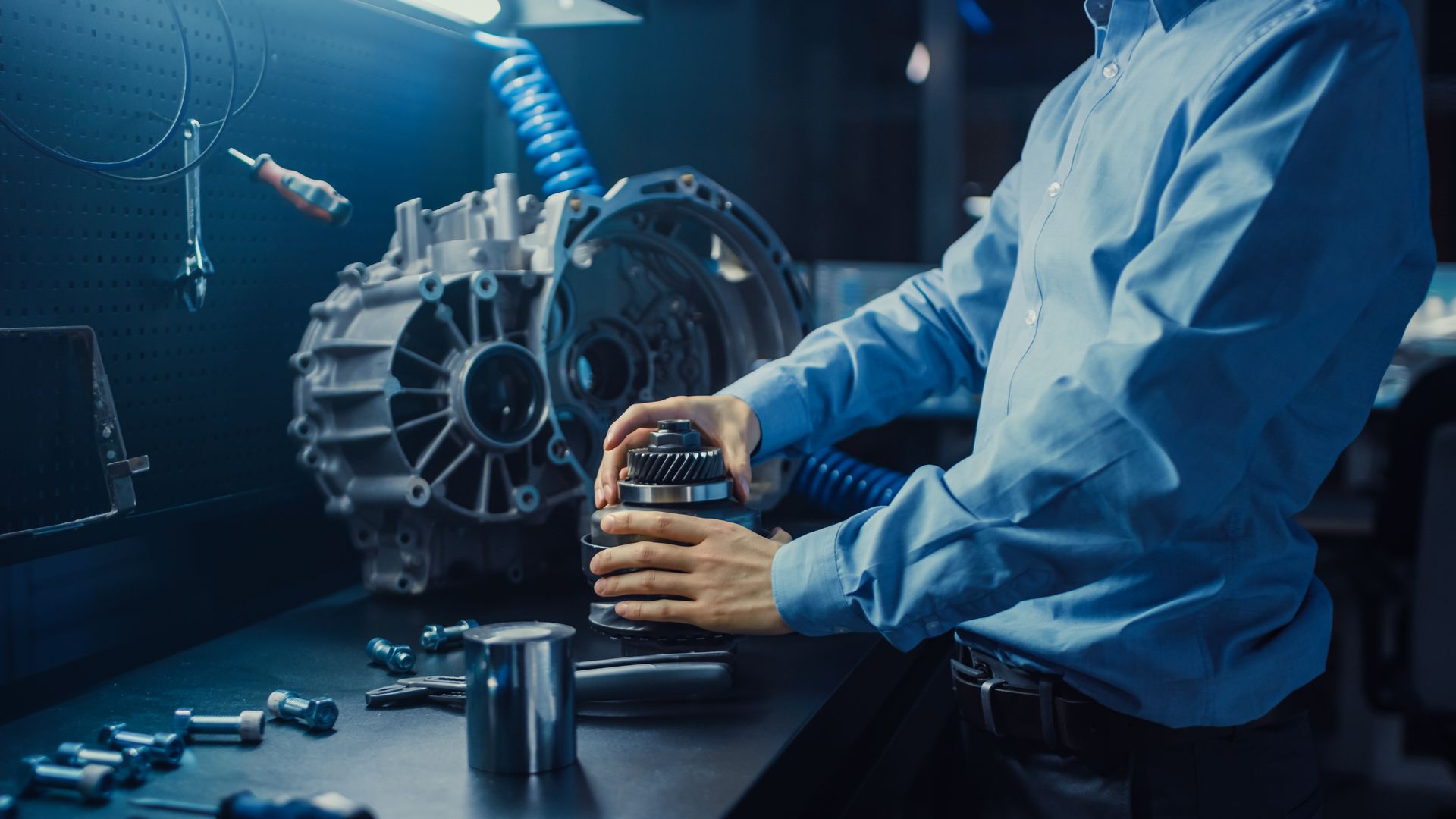
Your car's transmission is a vital component that helps your vehicle shift gears and run smoothly on the road. However, there are several reasons why your transmission may go out, leaving you with a difficult decision to make: should you repair it or rebuild it? In this article, we will explore the quick common reasons your car's transmission may go out, the difference between a rebuilt transmission and a repaired transmission, and why Frisco Automotive & Transmission should be your go-to destination for servicing your transmission. Common Reasons Your Car's Transmission May Go Out There are several common reasons why your car's transmission may fail, including: 1. Low transmission fluid levels 2. Overheating 3. Clutch problems 4. Failing solenoids 5. Worn out gears or bearings If you notice any of these signs, such as slipping gears, grinding noises, or difficulty shifting, it may be time to take your car to a trusted mechanic for a transmission inspection. Should You Repair it or Rebuild it? When faced with a failing transmission, many car owners wonder whether they should repair it or rebuild it. The decision ultimately depends on the extent of the damage and your budget. Repairing a transmission involves fixing the specific issue that is causing the problem. This option is typically more cost-effective than rebuilding, but it may not always address underlying issues that could lead to future failures. On the other hand, rebuilding a transmission involves dismantling and replacing worn out or damaged parts, essentially giving your transmission a fresh start. While more expensive, a rebuilt transmission can provide long-term reliability and peace of mind. What's the Difference Between a Rebuilt Transmission and Repaired Transmission? A rebuilt transmission is essentially like getting a brand new transmission, as all worn out or damaged parts are replaced with new ones. This process ensures that your transmission is in top-notch condition and ready to take on the road. A repaired transmission, on the other hand, only addresses the specific issue that is causing the problem. While this can be a quick fix, it may not always prevent future failures from occurring. See Frisco Automotive & Transmission to Get Your Transmission Serviced If you're experiencing transmission issues, look no further than Frisco Automotive & Transmission for all your servicing needs. Our team of expert technicians will diagnose the problem and provide you with the best solution to get your car back on the road in no time. Whether you need a repair or a rebuild, trust Frisco Automotive & Transmission to provide you with exceptional service and quality workmanship. Don't let a failing transmission leave you stranded - schedule an appointment today and rest assured that your car is in good hands.
Have you been hearing strange noises coming from your car when you hit the brakes? Or maybe you've noticed that your car takes longer to stop than usual. These could be signs that your brakes need replacement. In this article, we will discuss 5 signs that your brakes may need to be replaced and why you don't want to wait to get it done. 1. Strange noises when braking: One of the most common signs that your brakes need to be replaced is if you hear strange noises when you hit the brakes. This could be a squeaking, grinding, or rubbing sound. These noises typically indicate that your brake pads are worn down and need to be replaced. Ignoring these noises could lead to further damage to your brake system. 2. Longer stopping distances: If you've noticed that your car is taking longer to come to a complete stop, this could be a sign that your brakes are not functioning properly. This could be due to worn brake pads, brake fluid leaks, or other issues with your brake system. It's important to address this issue immediately to ensure your safety on the road. 3. Brake pedal feels soft or spongy: If your brake pedal feels soft or spongy when you press down on it, this could be a sign that there is air in the brake lines or a leak in the brake system. This can affect the overall performance of your brakes and could lead to brake failure if not addressed promptly. 4. Dashboard warning light: Most modern cars are equipped with a dashboard warning light that will illuminate when there is a problem with the brakes. If you see this light come on, it's important to have your brakes inspected as soon as possible. Ignoring this warning light could lead to more costly repairs down the road. 5. Vibrations when braking: If you feel vibrations through the steering wheel or brake pedal when you hit the brakes, this could be a sign of warped brake rotors. Warped rotors can affect the overall performance of your brakes and should be addressed immediately. Take care of it! While it may be tempting to put off brake repairs, it's important to address these issues as soon as possible to ensure your safety on the road. Trust Frisco Automotive & Transmission to get your brake repairs done right. Our team of expert technicians will thoroughly inspect your brake system and recommend the necessary repairs to get you back on the road safely. Don't wait until it's too late – schedule your brake inspection today!